
 Lifecanbetoff
I was lucky enough recently to be given the opportunity to visit National Trust Dyrham Park.
Having considered in the past whether I thought membership might be worthwhile, it was a good opportunity to get a flavour of what National Trust properties can offer.
There are several National Trust properties in and around my area.
The one that had always appealed to me the most, is Dyrham Park, a couple of miles off Jct 18 of the M4 not far from Bath. If you happen to be staying in Bath, you might be looking for things to do in the city.
Dyrham Park
What appealed to us the most about Dyrham Park, is the Ancient Deer Park.
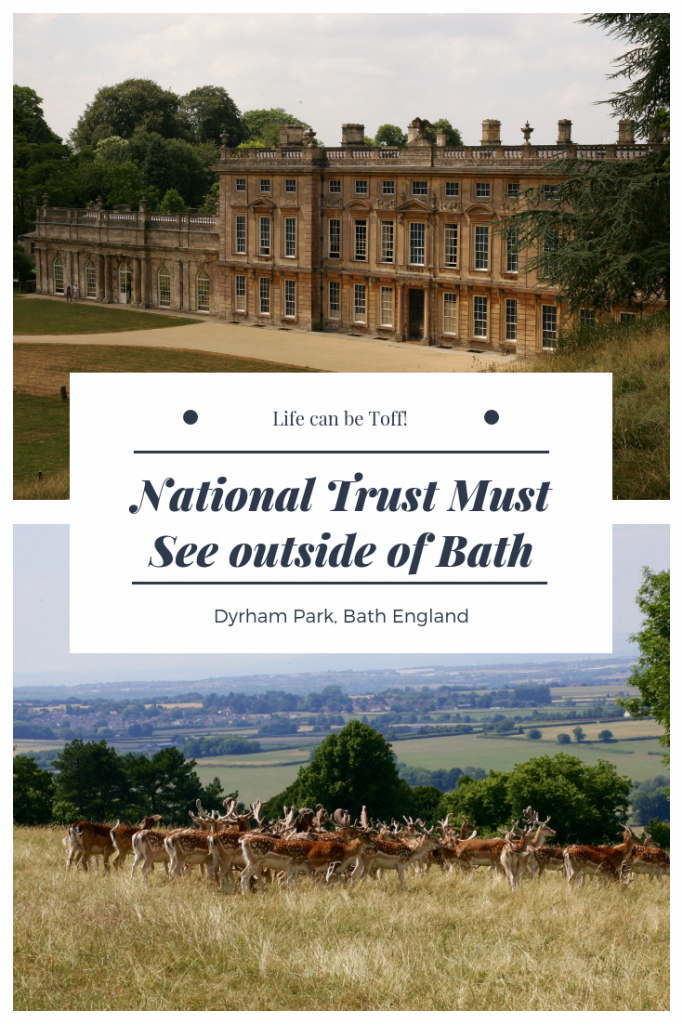
Dyrham Park is a 270 acre ancient deer park, 17th century house and formal gardens.
It has been in the care of the National Trust for over 50 years since the Trust purchased the park and it’s ancient deer herd in 1976.
The park sees around 250k visitors annually – hard to believe I hadn’t been one previously!
The house has recently undergone the installation of a new roof, to replace the existing one which had sadly started to leak – some of the damage is clear to see on the inside of the house.
This meant that some of the furniture and paintings were not available to see, as a period of restoration is underway.
The restoration will carefully consider how best to share the story of Dyrham Park’s founder, William Blathwayt.
With the spectacular weather we’ve been spoilt with this year (although we could definitely do with some rain now please!) we certainly chose a beautiful day to explore the park.
Dyrham Park is easy to access off the main A46.
We were instantly greeted by a car park marshall who advised us that parking would be in the additional parking. We were informed there were an additional 100 parking spaces. Plenty of room!
After paying our parking (£4 for the day) we made our way back through the car park to the official entrance for the park.
By the time we’d made it, it already felt that we had walked a fair distance – if visiting I’d strongly suggest wearing comfy footwear as it is easy to walk quite far without realising.
In the ticket office we were given a map of the site and advised of the bus which takes people up and down the hill to the house.
We were asked what we most wanted to see and advised the best route to take to enjoy the Park.
Prospect Walk
We elected against taking the bus directly to the house, and instead chose to explore the Prospect Walk.
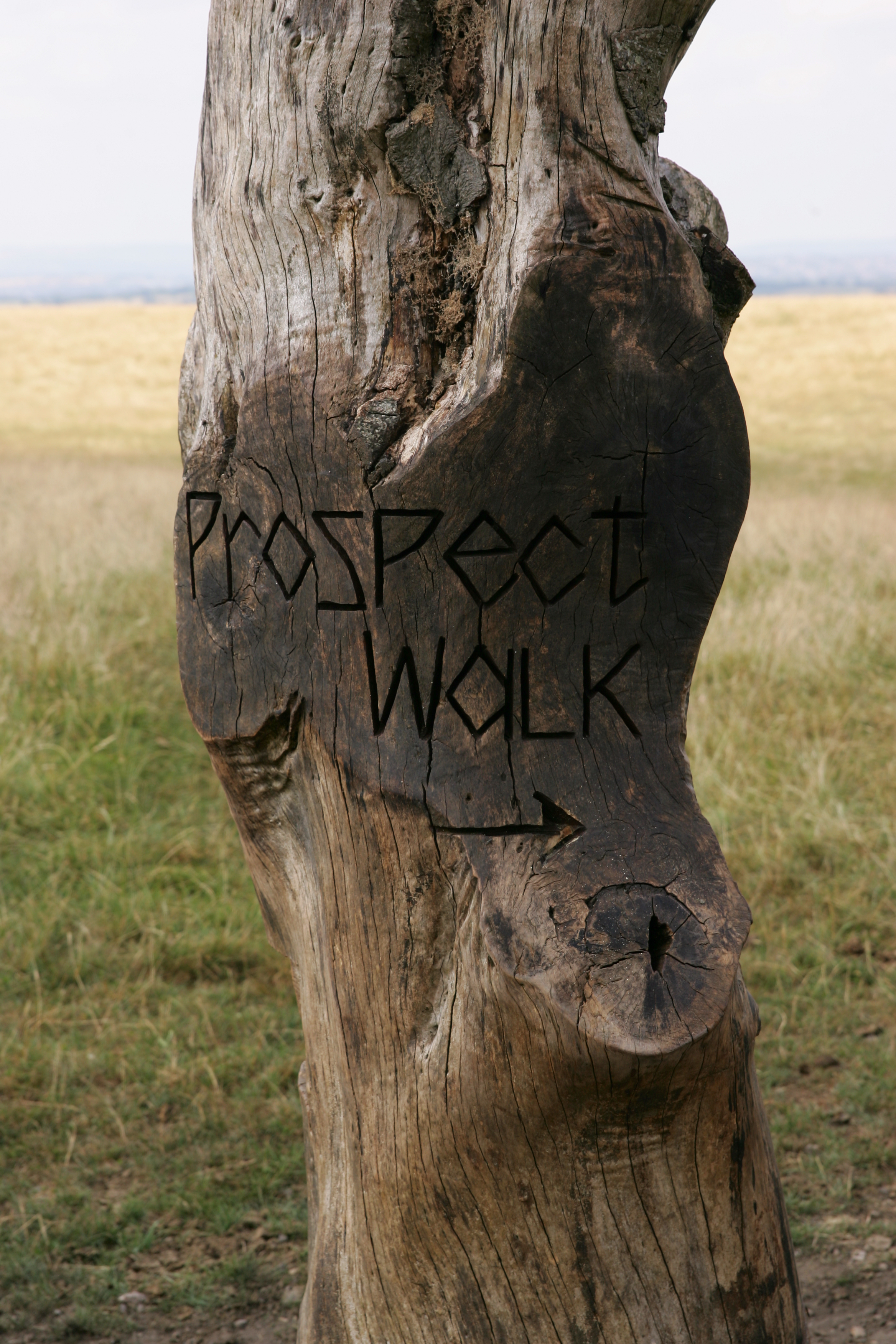
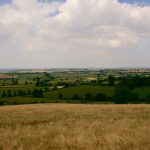
Prospect Walk takes you on the outskirts of the 270acre parkland where we were advised there were spectacular panoramic views across the Severn Valley.
The start of the walk takes you through an avenue of trees extending up a hill before you start to see the views as you walk across the crest of the hill.
We were not left disappointed.
The slightly cloudy day didn’t give us as clear a view across the Valley as we’d have liked, but it was breathtaking nonetheless.
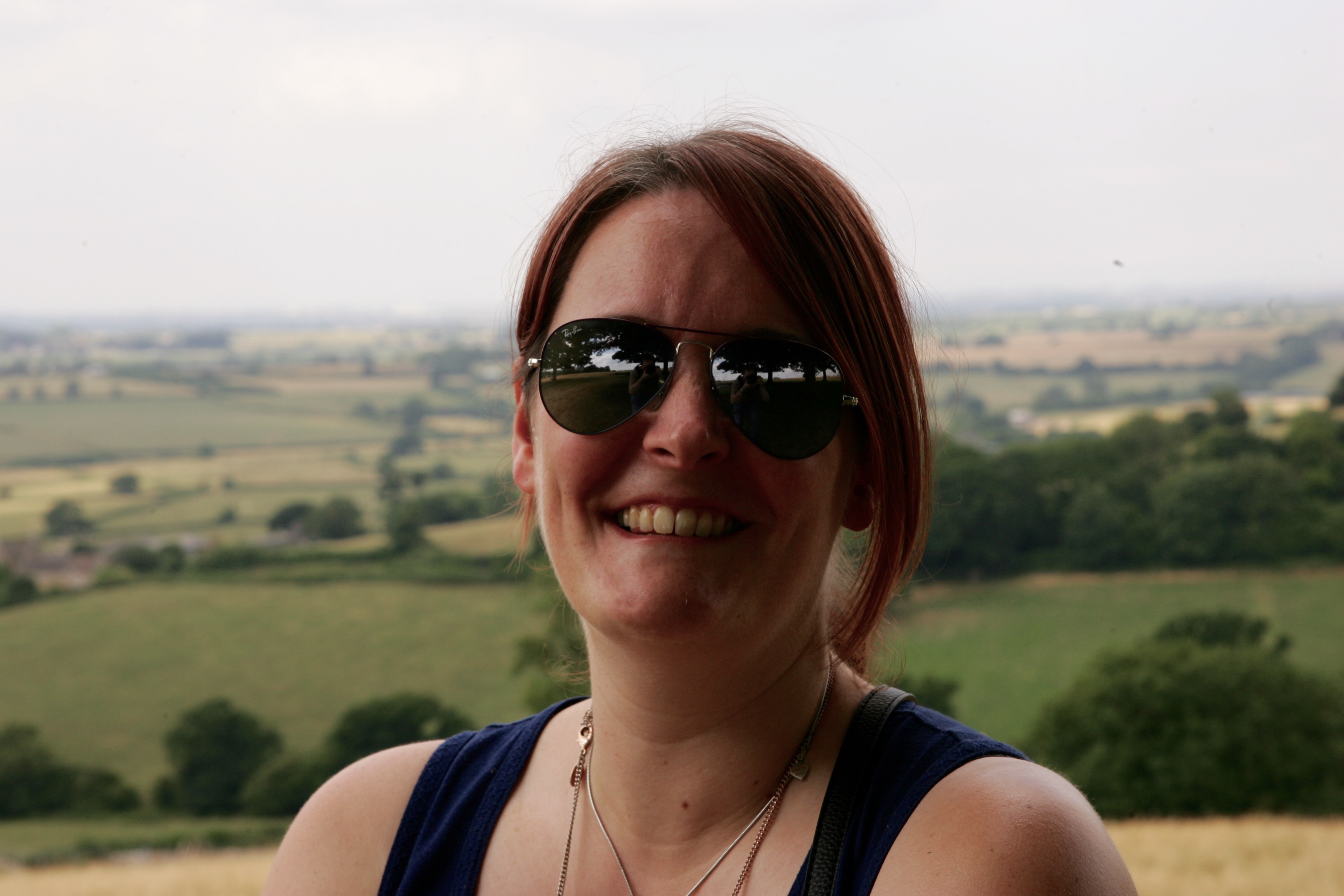
As we followed the route along the edge of the park and back down into the parkland valley we passed a natural play area which was being thoroughly enjoyed by families.
We had wanted to take ourselves through the Terraces Walk which meanders down the hill through the trees and into the 17th century formal gardens.
But, instead we took a wrong turn and ended up continuing along the Prospect Walk before we found ourselves walking back down the hill toward the house.
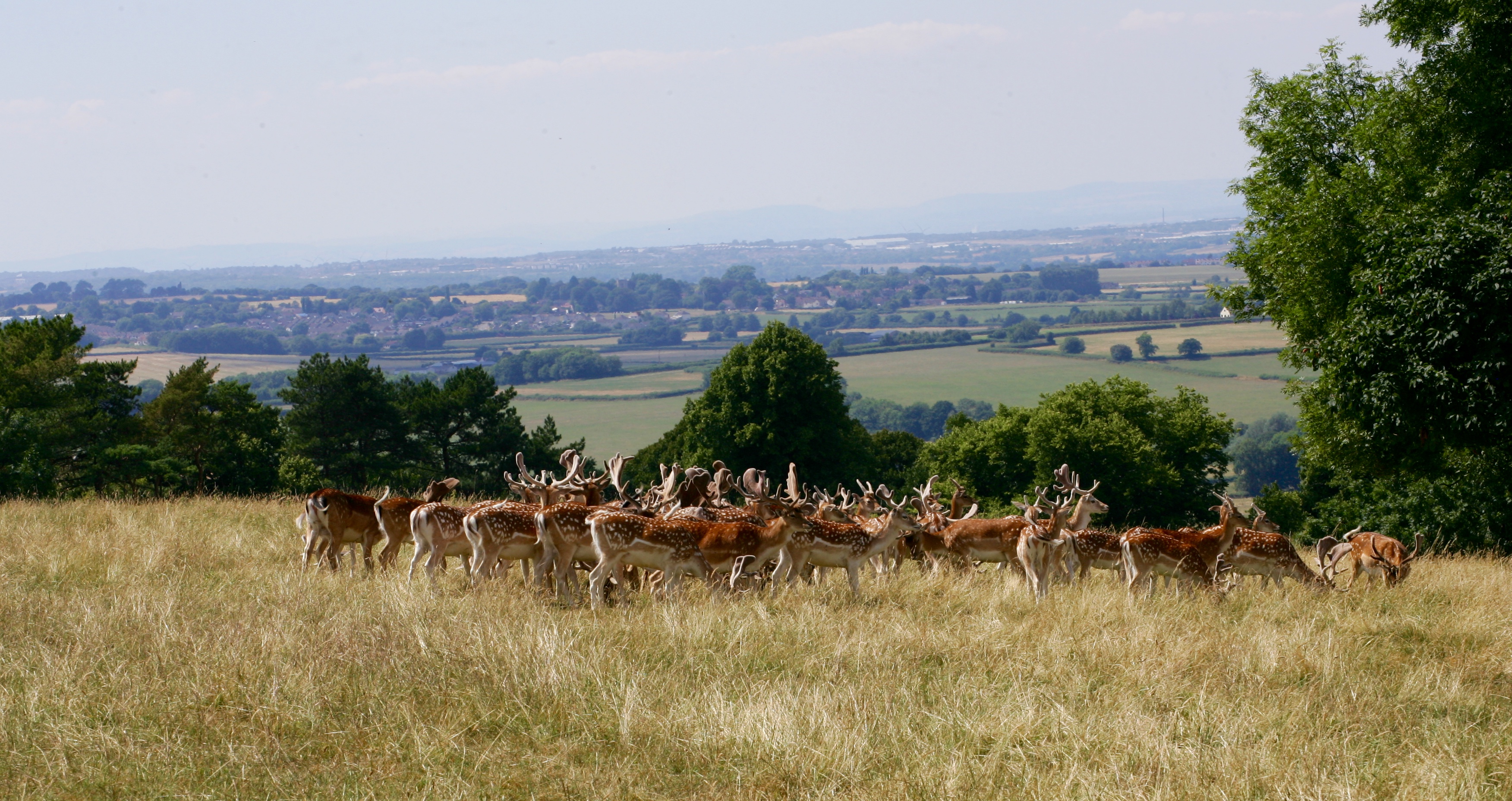
It was here, we saw our first group of the Park’s 200 strong herd of red deer.
Shading themselves beneath the cool canopy of the trees, the deer were incredibly relaxed and unphased by the jollities of children running and screaming around them.
The deer, clearly used to being photographed, allowed Jon to get some shots of them before we continued down the hill to the house.
Dyrham Park House
By this time, it was well past lunchtime so we decided to see what the onsite cafe had to offer.
Before we even got to the till, I was all over the Gin and Lime cake! Jon opted for his favourite, Victoria sponge.
We enjoyed our tea and cake out in the tea-garden before taking ourselves to the secondhand bookshop, National Trust shop and around the house.
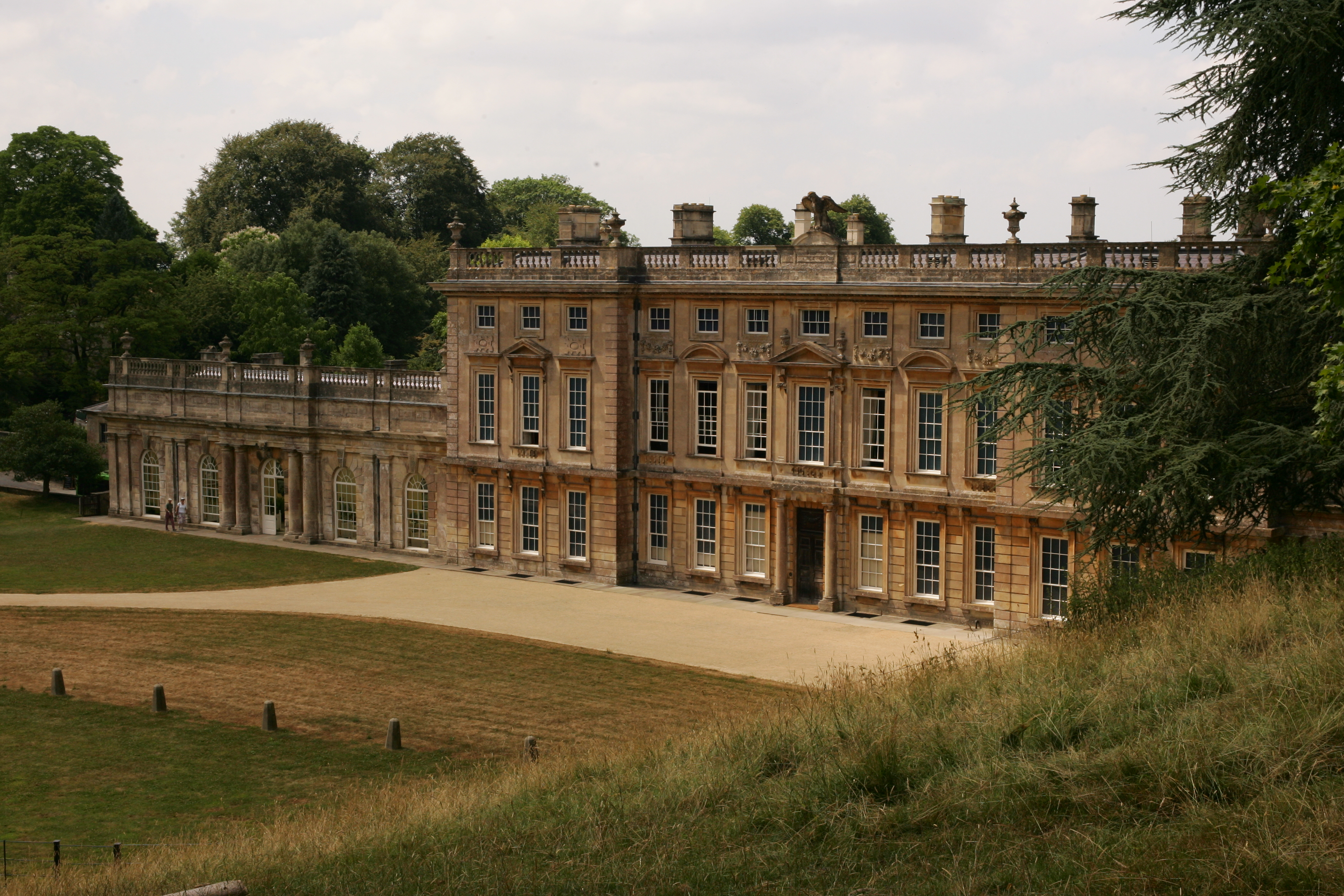
The house, created by William Blathwayt in the late 17th Century is a spectacular example of baroque architecture.
The house is undergoing a period of change to restore the internal rooms of the house to their former glory.
The tour guides were happy to recount stories and tales of the Blathwayt’s and explained the damage done to the house following the discovery of the leaky roof.
The roof was replaced during 2015/2016 (at some significant cost – the project costing in the region of £4m with restoration works expected to cost £2m).
As you walk round you really grasp an insight into William and his wife Mary, who had married at quite an old age for the period (36 & 37).
In their short 5 year marriage had had four children. Mary sadly passed away soon after giving birth to their fourth child. Mary was the true heiress to Dyrham Park and Estate.
The Garden
Leaving the house behind and entering the garden, to the right of the house is the St Peter’s Church. Beyond that, you’re first greeted by a formal bordered garden, with a variety of colourful plants and flowers.
The recent dry spell evident in the parched grass and drying flowers – the gardeners must be on constant watering duty to keep on top and not letting the flowers die.

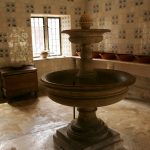
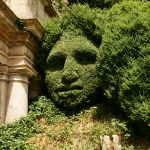


In the lower part of the garden, two pools take centre stage – a haven for dragonflies. Despite my demands Jon took photos of these, I don’t have a photo of a dragonfly…maybe next time!
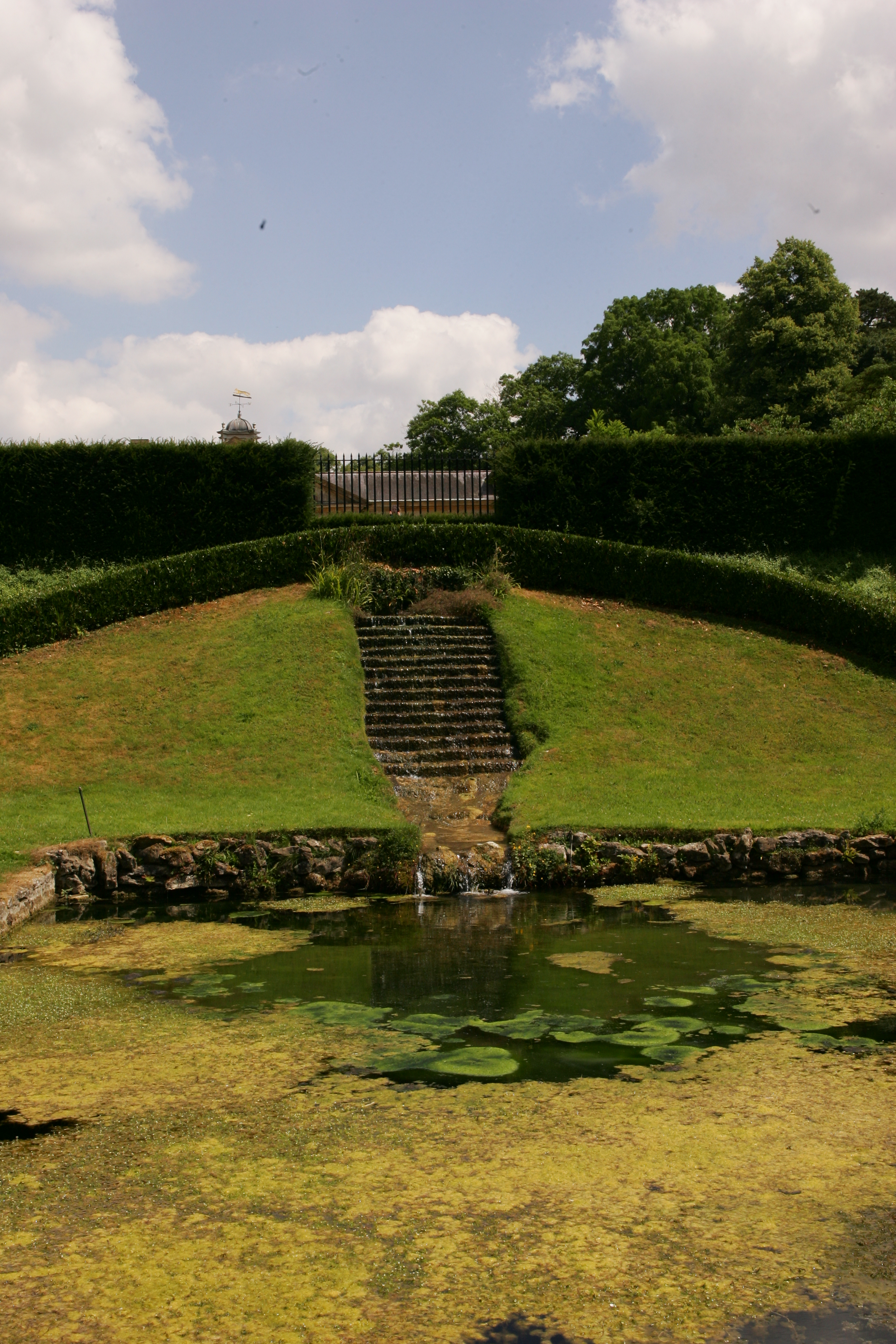
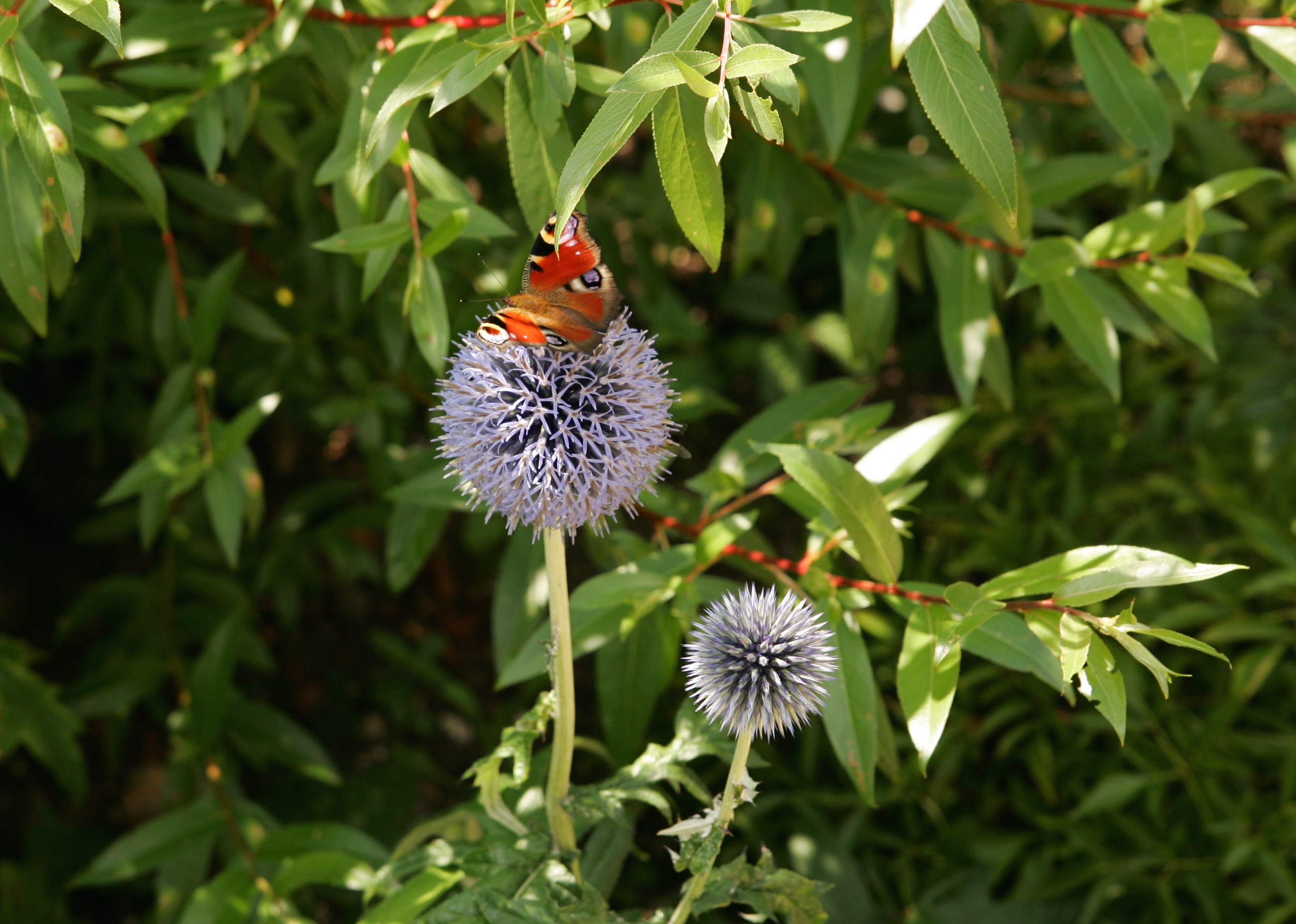
The larger of the two ponds is surrounded by beautiful flowerbeds where an abundance of bees and butterflies can be found.
The paths weaved their way around the ponds and back to the more formal element of the garden. The ponds were the perfect place to sit and enjoy the wildlife and catch some rays.
As the day passed us by, we felt it time to leave.
We considered taking the bus back up the steep hill, but having come to see the red deer, felt that we hadn’t quite seen all that we had wanted.
We decided to walk back the opposite edge of the park to the way we had come down to the house.
Boy, are we glad we did!
Oh Deer!
Before making our way out of the woodland and up onto the open parkland, our path was blocked by the herd of cows.
They were reluctant to moo’ve from their shade under the trees so after a little deliberation, and some photograph taking, we walked up and around them.
(Plus the group of old people who took the route ahead of us gave us the confidence to proceed the same way…!).

As we, slowly, scaled the hill (for shame on us being less fit than the old folk ahead of us!!) in the distance the reason for our visit was as clear as day.
A large portion of the herd were quietly grazing at the crest of the hill.
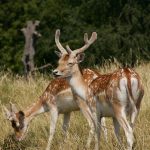
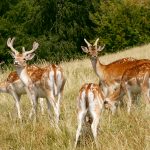
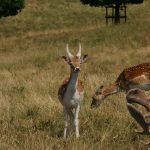


We were able to get so close to these majestic creatures to take photographs and enjoy their quiet grazing.
As I’m having my photograph taken in front of the deer, a couple of them decided it was a good time to make dirty haha! Thankfully though bonking deer did not make it into the photograph!!
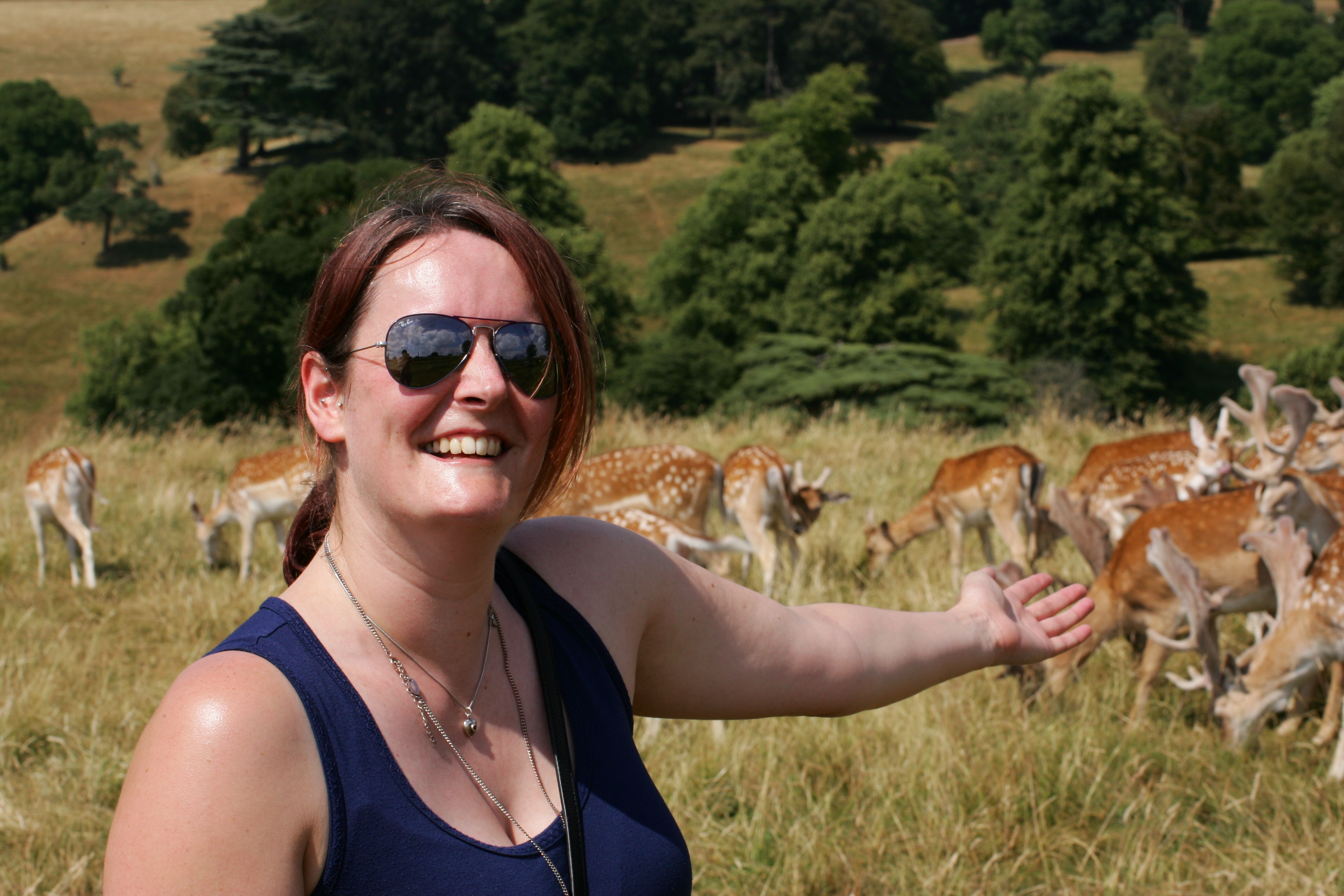
With our mission clearly achieved, the deer witnessed, the views taken in and cakes and ice-cream devoured. We left the park extremely happy with our day.
Sadly, in March 2021 the entire deer herd was culled due to the spread of bovine tuberculosis (bTB) within the herd. This was an incredibly sad decision for the team at Dyrham Park and has meant that the opportunity to see these magnificent creatures here no longer exists – incredibly devastating I’m sure when a herd has been at the park for over 300 years. Perhaps one day in the future, they will be able to re-establish a herd here once more.
If you haven’t been to Dyrham Park, I strongly recommend a visit.
With the pleasant walks, spectacular views and ancient deer herd there are plenty of elements which will leave you wanting to go back again and again.
Take a picnic, enjoy it on the lawn of the formal gardens, or enjoy a cuppa and some cake in the cafe.
There is plenty to see and do to keep you and your loved ones occupied for an entire afternoon, if not the whole day.
Entry to Dyrham Park is one fee for the park, house and gardens and costs £12.50 per adult with children costing £6.25 (more with gift aid).
Opening hours are 10am -5pm for the park and gardens, the house opens at 11am. More details can be found on the Dyrham Park section of the National Trust website.
National Trust Membership
At the start of my post I had mentioned that I had considered joining the National Trust and that the visit would help me make the decision as to whether or not I would join.
A joint membership costs £114 per year, or £9.50 per month. When you consider that fee allows you entry to over 500 National Trust properties.
As well as free parking at most National Trust ran carpark’s – it seems a fairly good deal.
Membership helps to secure the future of our heritage properties and allows maintenance and restoration. Such as the roof work at Dyrham Park, to go ahead.
Membership and joining details can be found here.
I may not join just yet, but it is certainly a strong contender in the very near future!
Peace out!
Jangles x
I received a pair of free tickets in exchange for social media and blog post for a National Trust property. All views are my own, my review of Dyrham Park is completely honest.


[…] book shop – I recently enjoyed spending some time browsing books at National Trust property Dyrham Park and the secondhand bookshop at Hestercombe Gardens whilst visiting for a work […]
Lovely photos and descriptions! How do you get there from Bath town centre? Is there a bus or is it taxi only? x