
 Lifecanbetoff
During the pandemic, there was a rush of people moving to the countryside. The countryside offers more space, fresh air, fewer people, and no need for the daily commute. It is no surprise that people chose to flock to the countryside.
Two years on, are we seeing people regret making the decision to become country folk? Are they missing the vibrancy and convenience of the city? Is the reality of a return to the office scuppering rural living plans?
Whether you’re looking to buy or simply rent, there are some things about moving to the countryside which you may not have considered. As someone who is well versed in countryside living and realising the major benefits, slight niggles right down to some proper annoyances, I thought I’d set them out for you in the hope it might help you.
The Pros of moving to the countryside

Get more for your money
Depending on the location and where you’re moving from you could get more for your money if moving to the countryside. Whether this is outside space or additional space inside the home. Hello, home office! You must however consider increased running costs and extra furniture purchases. For example, you may not be on the main gas grid (like me) and will need to buy heating oil or learn other new heating systems.
According to Rightmove*, the average price of a property coming to market has jumped by about 7.6% since January 2021. *Based off the January 2022 house price index. Rental properties are also seeing price rises and incredible demand. This applies to everywhere so you may still get more bang for your buck if choosing to head to rural areas.
Nearer to nature
We’ve all heard the benefits to our health and wellbeing when it comes to green spaces and time in nature. A move to the countryside offers this in abundance. Whether you’re in a market town, village, or in the middle of nowhere you will not be far from a walking route, bridleway or cycle route. The UK has around 140,000 miles of footpath networks. Nature is literally on your doorstep!
However, always remember that the countryside is a working countryside and you must adhere to the Countryside Code.
Wide range of options

Budget dependant, of course, the countryside offers a wide variety of options when it comes to choosing your new home. With the option of village-based cottages, new build homes, town properties or farmhouse manors, there is no shortage of alternatives and options.
Slower pace of life
A move to the countryside really is a slower pace of life than city living. Its a whole lot quieter than the city or larger towns, the air is cleaner, it’s safer for your family. The people, I’ve found, just tend to be a whole lot more relaxed and easy-going.
Everyone will want to visit!
Depending on whether you like to play host or you prefer to stay away, this could be either a pro or a con! Whilst it’s great to host family and friends in your country idyll, there is a risk that it could become a bit like a B&B. Only the guests don’t pay!
Of course, if you bought the property to have that extra guest bedroom to have visitors more often, then embrace it! Let them enjoy your piece of tranquility too. The flip side of this is that you might be further away from friends and family meaning more effort is required from both parties to visit.
Community
When you first move to your new rural pad, you may find you’re considered a bit of an outsider at first. However, once you’ve introduced yourself to the locals, you’ll be a part of the community. From local groups to helping out at the village fete, rural areas have such a friendly community vibe to them.
One thing is for sure, you’re unlikely to be anonymous!
The cons of moving to the countryside
With such a big life-changing move, you have to consider the cons of moving to the countryside. It might be something you get used to, but you have to face the realities. It’s not all rose vine surrounded doors and country walks!
Transport, commute and facilities
The reality of living in the countryside is that you will probably need to be able to drive and have a car. Yes you can cycle or walk places. But think of it this way – I have a 10-mile round trip to get to my local supermarket or farm shop…!
Transport
Train stations are quite few and far between and bus services, particularly in more rural communities, are non-existant. When I lived in rural mid-Wales I had a bus that left the village on Tuesday to the nearest town, but you couldn’t get back until Thursday!
If you’ve chosen to move to the countryside but are still required at the office, you need to consider this. It might take longer, or train times might not fit in with your working hours. The cheaper house with more space might have been a good idea at the time, but what impact has that had on the commute cost?
Facilities
Going back to the supermarket, there is a huge convenience issue with living in the countryside. Whilst it’s amazing to be able to support your local farmers market, farm shop or village community shop. You might not be within the Deliveroo area.
Of course, the pandemic provided many restaurants, bars and cafes a new revenue stream allowing takeaway to become a better option. But delivery isn’t so easy. I’ve not been in a Dominoes delivery area for 4 years now and some days, I really resent that!
Culture
Rural areas are not short in options when it comes to days out, from visiting country estates, woodland walks, the beach or even taking in the architecture and culture of local towns.

However, access to cultures like museums, theatre or the cinema are short in supply. If you have older or teenage children that like to meet up with friends, it does make it difficult for them to have the freedom without needing a lift from mum or dad.
Again, if you are wanting a romantic meal out, a taxi home could be costly or one of you has to be a designated driver!
Work
If your move to the countryside doesn’t include a job, you need to consider that employment opportunities in the countryside aren’t quite as abundant as in urban areas. If you run your own business or are able to work from home, you’ll need to research the broadband speeds and mobile signal for the area you intend to move to.
Rural communities are heavily impacted by a rural/digital divide. This means many don’t get great broadband speeds or mobile signal. In some cases, they get neither. Whilst this is improving, there are still massive gaps in connectivity for many rural areas.
The Countryside!
You may have grown used to the sound of sirens all day and night, lorries, buses and the general hustle and bustle of urban living. Are you prepared to be woken up by a dairy herd on the move at 4am every day? Or tractors rushing to get in the harvest late into the night in summer.
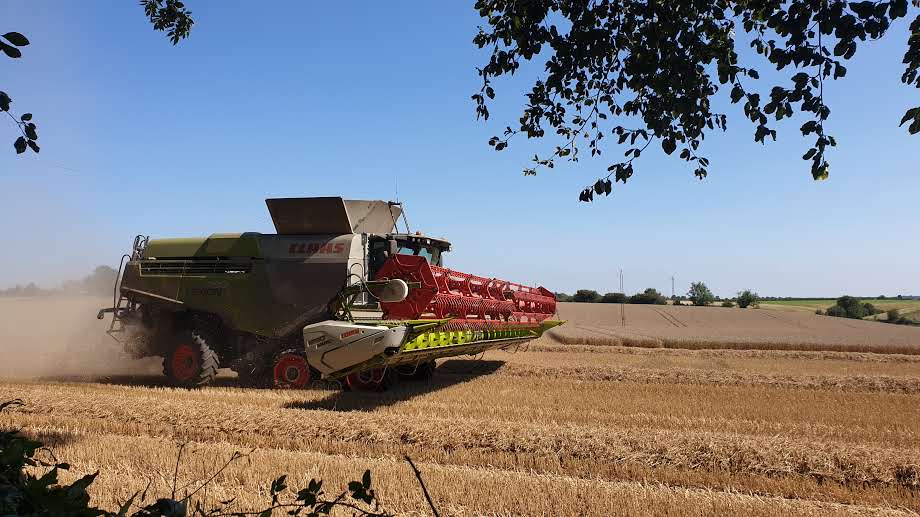
Do you suffer hayfever (yes, I do and summer can be hell for me!) or are you opposed to the occasional whiff that emanates from the local farmyard.
These are all things that come from living in the countryside. Tractors all have somewhere to get to as well!
As I’ve mentioned before, the countryside is a working countryside. If you’re going to move here, you must consider all elements of it!
Conclusion
I love living in the countryside. It has so much to offer. Whenever I visit the city, whilst I enjoy its vibrancy, I can’t wait to get back home to the quiet. It’s not without it’s quirks though, and not everyone can live through those. I know sometimes, I wish I could get a takeaway delivered!

What are your thoughts on moving to the countryside? Have you taken the plunge? Are you considering a move? Let us know in the comments.
Peace out!
Jangles x
This post contains sponsored links. All thoughts and opinions are my own.


I’ve lived in the countryside for about thirty years. For the last 15, we’ve been in a fairly remote area. It does have some disadvantages like broadband and mobile issues, no public transport and no shops close by. We also need to be prepared well for winter weather, being snowed in or losing power. But I wouldn’t want to swap it. I love the peace and tranquillity that comes with countryside living.
Gosh yes winter weather can put a halt on things. Working from home though does enable work at least to go on. But getting access to shops can be a challenge! I definitely wouldn’t change it either.